

Technical Datasheet
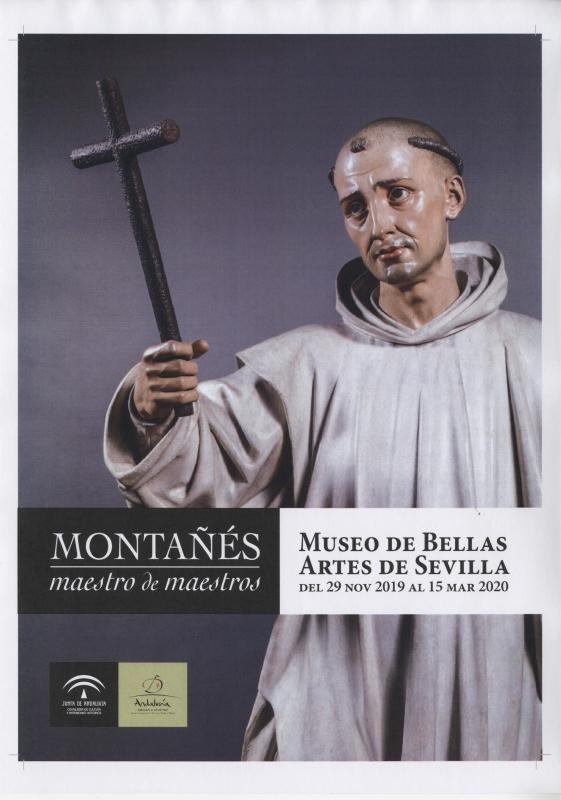
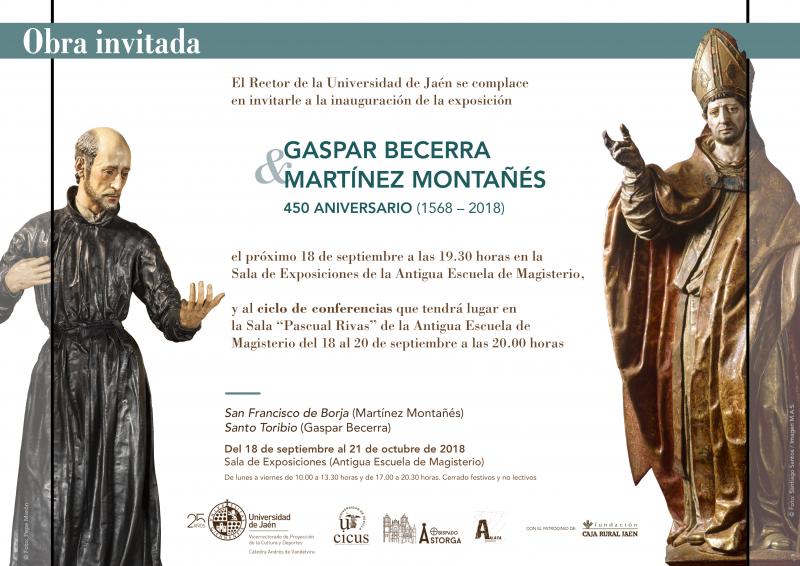
A candlestick sculpture of Saint Francisco de Borja, conceived to be dressed with luxurious priestly robes during big religious ceremonies. Only the head and the hands are carved. It wears a black cassock of stiffened fabric, made in the 19th century. It was likely to be ordered by Jesuits to Montañés – this sculptor had previously realized, years before, a similar image of Saint Ignatius of Loyola – for the canonization of the saint in 1624.
It appears standing, holding a cross with its right hand, while it stares, lost in thoughts, at the skull that it carries on its other hand, thinking about death. There lays its main iconographic attribute – an allusion to the time when he contemplated Empress Elisabeth putrefied corpse, Charles V’s wife. This event caused a great impact in Francisco de Borja’s mood, Duke of Gandia by then, who decided not to serve any other lord that could pass away, and became part of the Jesuits.
It is a sculpture that presents a high level of realism, in which Montañés is able to represent asceticism in its bony countenance. Its iconography is very similar to Saint Francisco de Borja’s painting by Alonso Cano (1624, Museum of Fine Arts in Seville). Both of them could have taken inspiration from some stamps that fixated their iconographic representation.
This sculpture was integrated in a Baroque altarpiece –destroyed during a remodeling of the temple in the 19th century – which was funded because of the canonization of the saint in 1671, by the superior Jacinto de la Puebla.
It is an image that was probably mistaken as Saint Francisco Javier by the artist Francisco Pacheco in his "The Art of Painting", because when he named Juan Martínez Montañés’ pieces, that where polychromed by him, for the sevillian Jesuits, he said: "the two heads of Saint Ignacio and Saint Francisco of the Professed House".
References:
-
Ros González, F. S., "Manuel López Cepero y la reforma de la Iglesia de la Universidad de Sevilla", en Laboratorio de Arte (Universidad de Sevilla, 421-452, Sevilla, 2006).
-
Sánchez-Mesa Martín, Alonso Cano (1601-1667) y la escultura andaluza hacia 1600Catálogo de Exposición (Obra Social Cajasur, Córdoba, 2000).
-
Pacheco, F., Arte de la Pintura (Cátedra, Madrid, 2001).
-
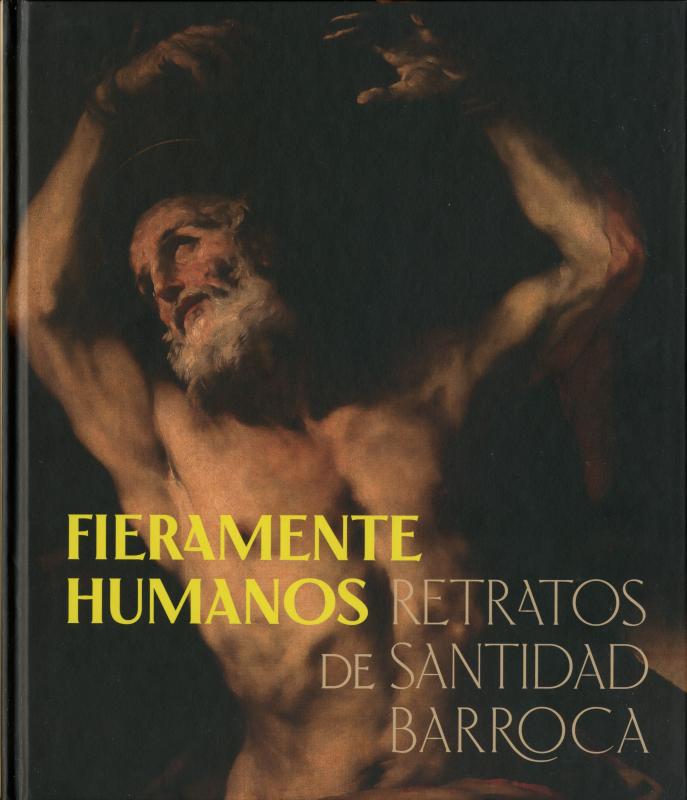
González Tornel, Pablo, Fieramente humanos. Retratos de santidad barrocaFieramente humanos. Retratos de santidad barroca (Fundación Palacio de Villalón, 88-89, Málaga, 2023).
-
Falcón, T., Bernales, J. et alii., Patrimonio artístico y monumental de las universidades andaluzas. (Sevilla, 1992).
-
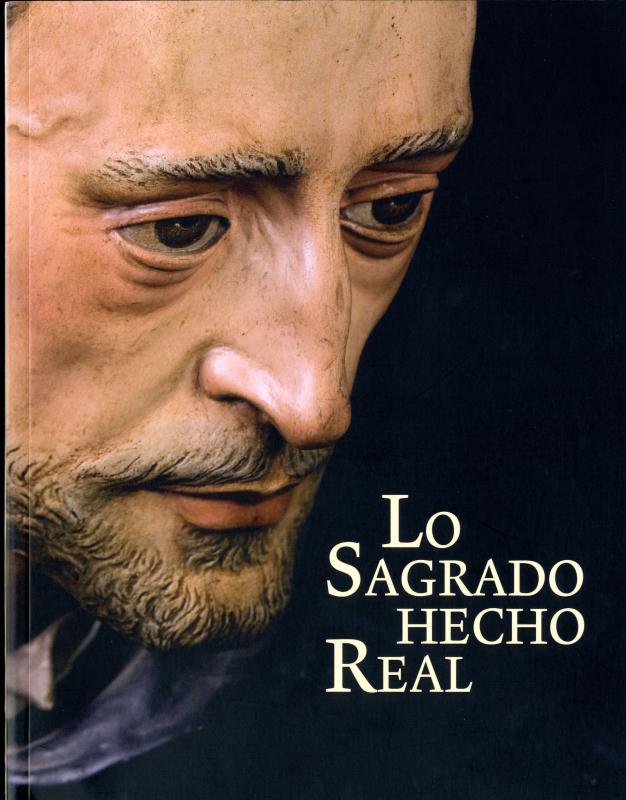
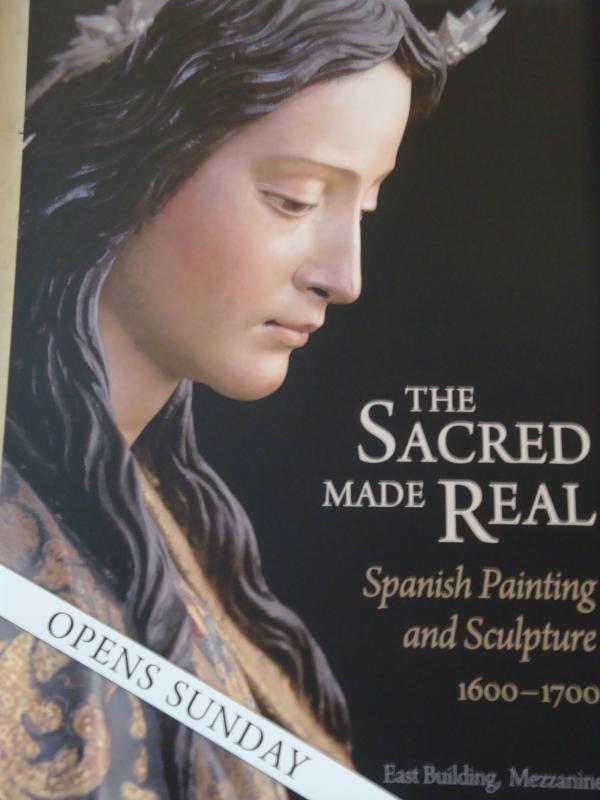
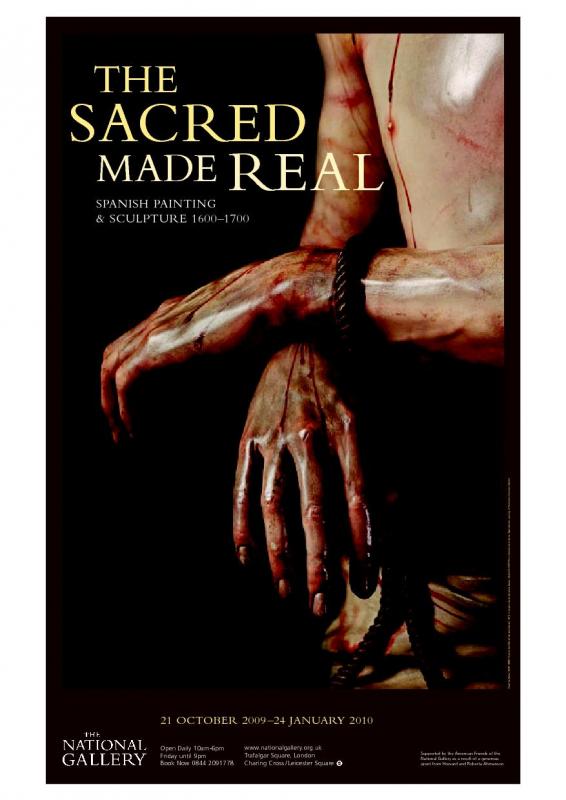
Bray, Xavier et alli., The sacred made Real. Spanish painting and sculpture 1600-1700.Catálogo de Exposición (National Gallery Company of London, Londres, 2009).
-
Falcón Márquez, T., et alii., Universidad de Sevilla. Patrimonio monumental y artístico. (Sevilla, 1986).
-
Falcón, T. [com.], Morón de Castro, M.F. [subcom.], Universitas Hispalensis. El patrimonio de la Universidad de Sevilla.Catálogo de la Exposición (Universidad de Sevilla, Sevilla, 1995).
-
Falcón Marquez, T. (Dir.), V Centenario. Universidad de SevillaCatálogo de Exposición. (Universidad de Sevilla y Fundación El Monte., Sevilla, 2005).